Category: Thoughts

  • Books in Review, 2017 – Culture and Politics

    Books in Review, 2017 – Culture and Politics

    Today's focus is on books that relate to culture or politics. I chose a mix of older and newer books this year. As the first few books show, the problems of yesterday are the problems of today in a different form.

    The Attention Merchants: The Epic Scramble to Get Inside Our Heads

    I'm going to start strong with Tim Wu's history of advertising, from the earliest print advertising through the global markets of Internet last-minute ad placement. He demonstrates how the industry got started, who some of the major players were, and how it has progressed in tandem with technological growth, often leaping ahead to pull society forward.

    Wu does not generally condemn or condone advertising, but shows how it has grown the economy and the spread of ideas. There are times that he shows the dark side of advertising style over substance, but in general the book is a levelheaded description of the inudstry that controls much of what we see, read, and hear.

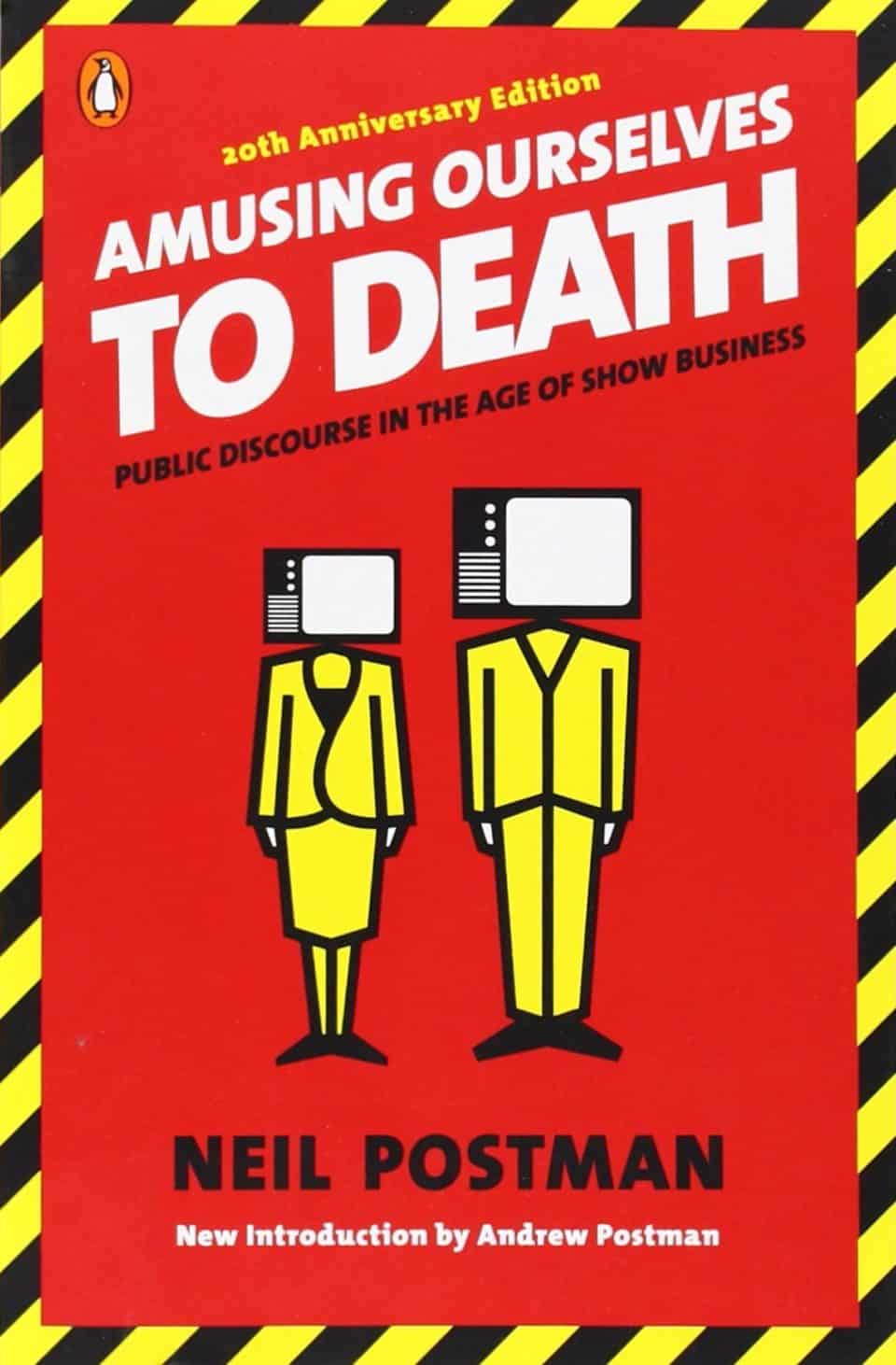
    Amusing Ourselves to Death: Public Discourse in the Age of Show Business

    A good followup to The Attention Merchants would be Neil Postman's book about how popular culture has subsumed intellectual thought. The book was written over thirty years ago but is still being proven true today with regards to the power and sway that television and bit-sized culture has on thinking.

    I am not a fan of the idea that all TV is bad and that all of our devotion to external culture leads to moral and intellectual decay. Comparisons are often made to how learned people of the past were because they didn't have pop stars and celebrity gossip to occupy them, but I believe that to be false. We are more educated than we have ever been. An interest in the goings on of others, while not always (but often can be) helpful or useful, does not preclude the ability to hold deep thoughts.

    There could be a trap here if you describe all entertainment as intellectually empty. I am a fan of edutainment myself, filling up podcast and Youtube queues with videos that describe how the world works, often in amusing ways. Still, I don't regret listening and learning, even if Postman might describe it as a slipping of discourse.

    On Tyranny: Twenty Lessons from the Twentieth Century (audiobook)

    This was a quick, straightforward listen. Timothy Snyder does not pull punches, directly comparing the lessons from 20th century dictators to the actions of Donald Trump today. The book offers suggestions on how to participate in society and how to respond to external stimuli as you are dealing with potentially dictatorial and tyrannical behavior.

    If you believe that you need to steel yourself against a slide into dictatorship, which doesn't often feel far away for me these days, this is a set of lessons to guide your thoughts and actions.

    Sapiens: A Brief History of Humankind (audiobook)

    Yuval Noah Harari deserves all of the acclaim that his writing gets. Sapiens moves through the history of hominids, through modern day human biology, physiology, anthropology, and culture. He exposes not just the evolutionary advancements that we've made, but also the cultural ones. The histories of commerce, finance, literacy, and more are tied into our growth as a species, and Harari does a good job of drawing clear lines across history.

    The Trouble with Reality: A Rumination on Moral Panic in Our Time

    This is where the suggestion for the aforementioned On Tyranny came from. Brooke Gladstone, host of WNYC's On the Media, writes about the bifurcation of American society into right and left ideologies, with little room left for overlap.

    But What If We're Wrong? Thinking About the Present As If It Were the Past (audiobook)

    I always find Chuck Klosterman's writing to be hit or miss. As his books are mainly essays, that is alright as I can move from one to another with varying quality. This book was written more as a single narrative, with a focus on why we always assume that we are at the end of history and that questions asked ages ago are always settled.

    It's true that we should question first order assumptions to confirm that what we base our second and third order assumptions on are built on firm ground. I can't say that I was highly entertained by Klosterman's look back and implied assumption that all of what we believe now will also become false in the future.

    Coding Freedom: The Ethics and Aesthetics of Hacking

    This is an earlier book by Gabriella Coleman, author of another book that I would highly suggest, Hacker, Hoaxer, Whistleblower, Spy. This is an earlier book that was written more as an anthropological study than a narrative, so it reads a bit dryer than her more story focused followups. The focus was mainly on the Debian community and Defcon, two things that I have little experience with.

    If you have interest in the culture and personalities of Free and Open Source Software, along with a basic history of how they have clashed with closed source software makers, this is a good primer, but more technical in nature.

    Minimalism: Essential Essays

    The Minimalists have become famous for preaching simplicity in all things. At this point it is nearly a cult in terms of devotion to reduction of clutter in all forms. While I never intend on being the person who owns fewer than 50 total items or whatever metric ultra-minimalists are using now, unless something dramatic happens in my life, the mindset that they engender is a good one for focusing on what is important.

    A Spy's Guide to Thinking

    If you have Amazon Prime, this one is a free read. It was also a quick read and not necessarily to be taken fully at face value. John Braddock walks you through a robbery that he was the victim of, and how he handled the situation. There is nothing wrong with the lessons contained within, which are mainly about staying aware of your surroundings and keeping your thoughts tuned to how to keep situations from spiraling out of control.

    My book links above are Amazon affiliate links. If you want to read any of these books, I wouldn't mind if you used my link ????

  • Books in Review, 2017 – Business Tactics

    I don’t read many business books, but this year I’ve been doing a lot of thinking about how my businesses are working out. I’ve been running Orange Blossom Media for about nine years now, and FixUpFox has been my main focus for the past two years. I’m working on updates to both, as well as a new project to join them, and I’ve been looking for ways to improve my workflows.

    4/5 – Start With These Books

    These are the books that I'd recommend first of the business books that I've read this year. They don't always follow the same lists that others make. Many of my 3/5 books are written up as basically life-altering, while I can only say that they have some lessons to share mixed in.

    The Obstacle Is the Way: The Timeless Art of Turning Adversity to Advantage

    Ryan Holiday started with books on marketing and has moved into Stoic philosophy. This book comes before his later Ego is the Enemy, which is one that I read snippets from time to time.

    The introduction to Stoic philosophy in this book is as it is currently being used by high performers who preach practicing a form of disconnect from anything that is out of their control. It's not a bad idea, and Holiday presents it in a practical way with anecdotes both of himself and of other famous high performers.

    If you want to better control your emotions when it comes to making business decisions, this type of book may be for you.

    The ONE Thing

    I wish I could say that I learned more from this book. Not that it is a bad book, but because I still haven't fully taken the lesson within and incorporated it into my life.

    I read this book as part of the Florida Blog Con book club, and participated in some short discussions with founder Bess Auer and some others who were reading along.

    Most of us were in a similar place, where we had too many projects going at once to make any one of them stick out. I'm still at that place, but I've been working on consolidating projects to focus on serving my clients as best I can.

    Take a cue from this book: find the One Thing that can help make the other things that you want happen, and put as much of your energy into that thing in lieu of other distractions as possible. I'll let you know how well I've done on this next year, when I've got a whole new set of lessons to review.

    Tools of Titans: The Tactics, Routines, and Habits of Billionaires, Icons, and World-Class Performers

    If I can recommend just one book from this particular list, this would be it. I've followed Tim Ferriss since his first book, The 4-Hour Workweek, which gave me ideas on how remote businesses could be run and more liberal methods of delegation that can avoid micromanaging. While a bit bombastic early on, Ferriss has grown wiser and more measured through the aforementioned Stoicism that he shares with Holiday.

    Tools of Titans is Tim's output after condensing the first 200 or so episodes of his highly successful podcast, The Tim Ferriss Show. He interviews high performers in a variety of fields, not just technology or finance. It is through his masterful interviewing skills that we learn the mindsets that a large subset of lucky and talented individuals take to their work and lives.

    Styled more as a reference guide than a book to read straight through, this will be familiar and welcome to anyone who listens to his show regularly, and a distillation of wisdom from a collective of some of the best mentors you could have.

    The Life-Changing Magic of Tidying Up: The Japanese Art of Decluttering and Organizing (audiobook)

    I listened to this short book early in the year because clutter is something that I think about a lot. I'd heard of the KonMari method, and while I knew that I was not likely to go through with the process myself, I liked hearing about how Kondo went from having a childhood of organizational methods and tools like I had to one of radical simplicity.

    I try to keep myself from getting too many single purpose items or things that I don't have a set purpose for, but I am still doing a good job as a consumer, buying unnecessary things. The release of tension that I feel when properly cleaning and organizing tells me that I should probably improve in this area. I use living with others as an excuse, but I don't know quite how simple I could or would go if I lived alone.

  • Returning to Writing with Reviews

    Returning to Writing with Reviews

    I make a variety of pledges to myself every year, and one that consistently comes up is to write more. Not that Tweets, emails, instructions, and comments aren’t writing, but they aren’t the standalone pieces that I want to use as a catalogue of experiences.

    Looking back on the year, I published a grand total of four posts on this site, with three of them devoted to tutorials around talks that I’d given. Basically the types of things that I felt more urged on to create than I personally wanted to get up and out there. This is something that I want to change, and have identified as a main focus for next year across the sites that I maintain, as opposed to an “it’ll be nice if I do it” type of promise.

    I’m starting out with an overview of the books that I’ve read so far this year to try to distill some lessons or at least review whether I think they are worth sharing with others. I am still not great at stopping books if I don’t enjoy them halfway through, though I’ve gotten better at that this year. That still means that I’ll have some to talk about just to say that overall I wouldn’t read them again.

    I’m going to split the books up over five days. I’ll try to make some connection between them, though each book has difference in tone and quality. If you want to get some book recommendations, come back next week and I’ll follow this schedule:

    • Monday – Business Tactics
    • Tuesday – Culture and Politics
    • Wednesday – Fiction
    • Thursday – Biography
    • Friday – Technology

    I'm always looking for recommendations too, so if you have any books that you think I should read, leave a comment or send me a Tweet. I have to get started on my 2018 reading list soon!

  • Binge and Purge: My Social Media Diet is Gross

    Binge and Purge: My Social Media Diet is Gross

    A few days ago I woke up and against my own judgement decided to check my email before exercise. Unsurprisingly, with a world news email that I get every morning, there was something that got me angry and instantly shot up my already not great blood pressure.

    I finally made a decision that had been percolating in my mind for a while. My internet consumption had to change, and it had to change fast. A few hours later I had some coffee and was settled in to get to work.

    Starting My Media Consumption Cleanup

    I disabled chat on Facebook, as well as audio and video calls. Half of my chats consist of “send this to my business email” coming from all non-connections, and all of my contacts on Facebook have a dozen other ways that they can reach me.

    I disabled the ability for Twitter to post on my behalf to Facebook. This was one of the first integrations that I set up, and is basically the only reason that I’ve been active on Facebook at all besides managing groups and pages for the past several years. Gone now are the “I have no idea what you post” comments from folks IRL that remind me that I’ve written for a different platform and audience, and the message is reaching only the people that I have in mind when I write in the first place.

    Speaking of Twitter, I didn’t have to do much here, as I keep my feed fairly curated as is, seeing as it’s the main place I communicate with others outside of Slack. Last month I implemented Wil Wheaton’s block list, which has been helpful. It cleans up a few of the folks that I wouldn’t want to interact with, though if they are quoted by others I see the “tweet unavailable” grey box, which is a bit annoying.

    Twitter finally announced a feature that doesn’t display folks that you have blocked or muted in searches and trends, which is long overdue. Half of the stuff that makes me angry online comes from Twitter trends, which I should avoid clicking on but always feel the need to be informed with. I need to use a client like Tweetdeck that doesn’t display these, but it’s usually easiest (probably too easy) for me to open a new browser tab, click the t key, then click enter. This is one habit that I’ll have to work on a bit better.

    Finally, I went into my unroll.me accounts (this is free and totally worth paying for if it wasn’t), and unsubscribed from a lot of emails. While I did an initial cleanup when I created the accounts, at the time I was thinking of the savings that come with only having to review a daily email of non-essentials. Now I’m prioritizing making that daily email one that has less strife (sorry Mother Jones and Change.org, I still donate!), and fewer subscriptions that I don’t use anymore. Now that daily email feels more essential and relevant, and my reading time has cut in half, with the hope that it will be less painful as well.

    FOMO, Failure of Mastering Objectives

    I suffer fairly regularly from FOMO, or that “fear of missing out” that tech folks and us ungrateful millenials are all about these days. The basic steps are this: I remind myself of a project that sounds interesting, I get re-pumped to do it, I remind myself that I have other things to do first, and I get deflated when I think of how far behind I’ll fall by not doing it.

    Sometimes I have an idea and someone else takes it up, and I think that I could have done it first, and now I can’t. That’s ok. One, I have to remind myself that those that come first rarely go as far as those that come after them. Two, I should be grateful that someone else was able to remove something from my want-to-do list.

    Loss Aversion is another problem that I regularly deal with. I’ll spend more time than probably necessary considering the ways that projects can go wrong and planning for them, rather than getting anything done. The same applies to potential projects: can I give up an opportunity just because I’ve talked about it for five years and not made any headway on it?

    It’s a great idea to consider potential negatives and mitigate them where possible, but when is this going to far? When can I finally free myself from the self-appointed responsibility of needing to do all of the things, and ending up doing some or none of the things instead?
    Do You Have A Solution?

    This is still very much a work in progress for me. I have only scratched the surface of what I can do to clean up my media consumption. I’ve got a few more things planned for the next week or so, mainly in offloading ideas that I’m just not going to do.

    Do you have any tips on how to remove the stresses of feeling like you’re missing out when you choose not to do a project or start something new? I’m not going to eliminate this overnight, but I’m taking small steps now.

  • #WinterTrip 2016 Part 5

    #WinterTrip 2016 Part 5

    I’m a bit behind with this post because there’s so much that’s been going on in the past three days as I’ve been in the city, and I’ve been getting back exhausted each night.

    One of the problems of coming to where something is always happening means that there have to be tradeoffs and decisions on what to try attending and what to miss. Last night for instance I missed meeting both Lawrence Lessig and Tim Ferriss since we caught a performance from Chris Gethard, though I’m ok with the trade as it was a great show.
    A few random highlights:

    • All the Nintendo. All of the stuff.
    • Waitress on Broadway, which was pretty good for knowing nothing about it beforehand.
    • Chris Gethard: Career Suicide off Broadway, which was a brilliant display of the humor that can come from the depths of depression.
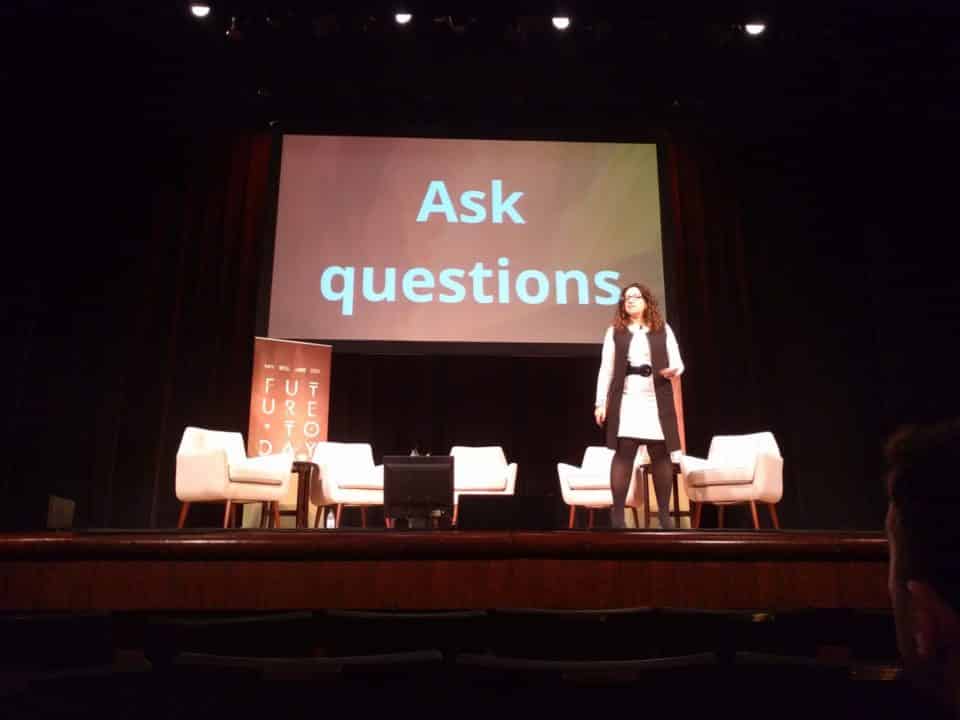
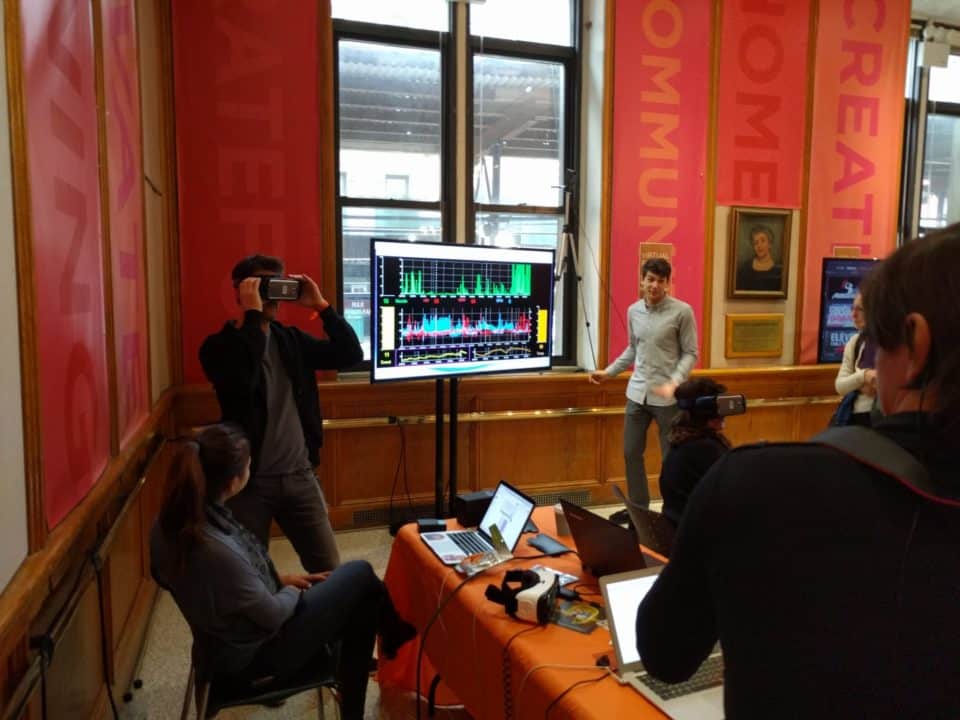
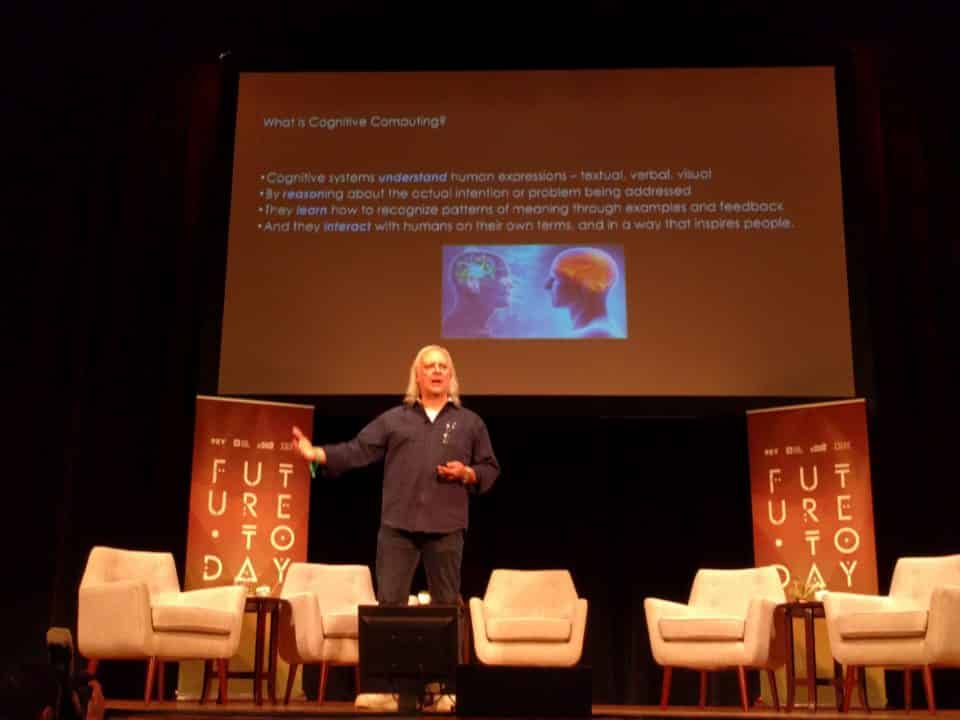
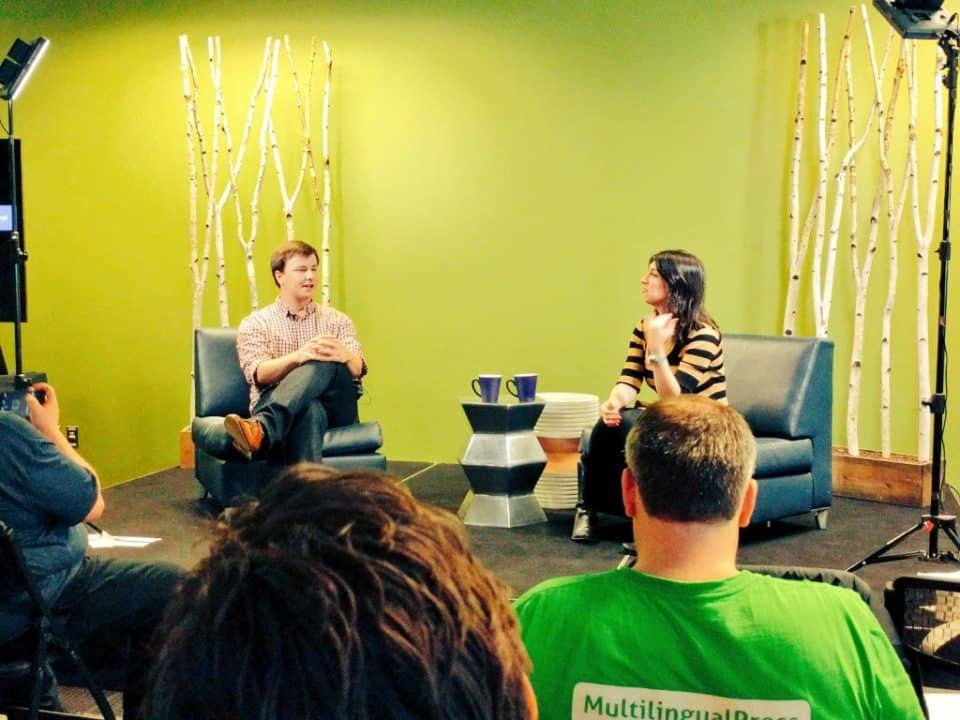
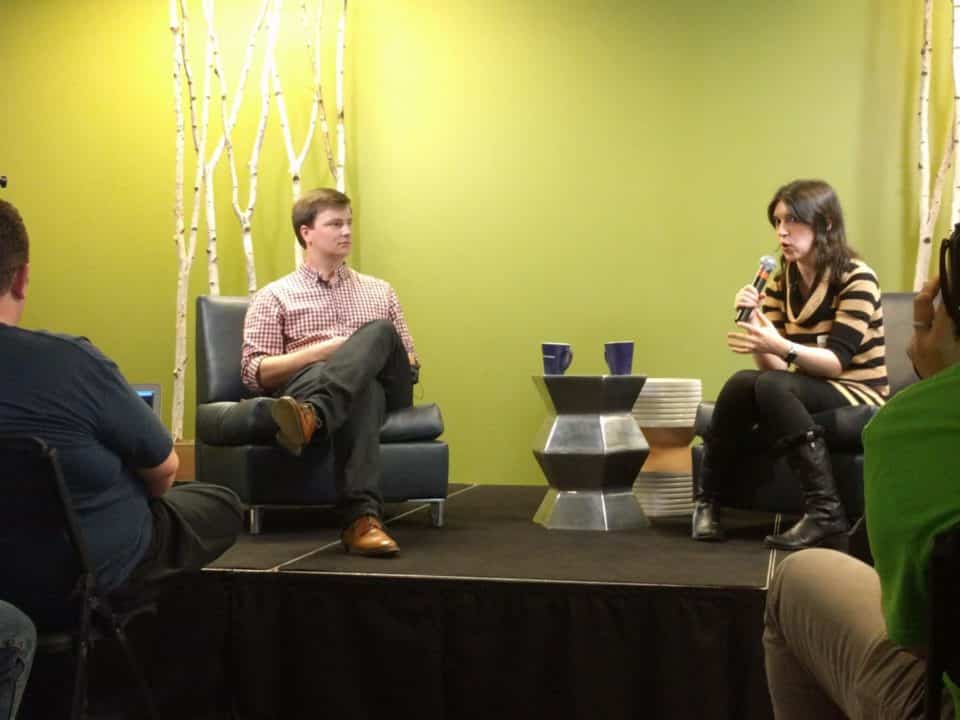
    • The many great talks at Future.Today including the panel with Manoush Zomorodi and Jon Ronson, the  IBM Watson CTO Rob High, Amy Webb’s keynotes, and the panel on the Internet and the First Amendment.
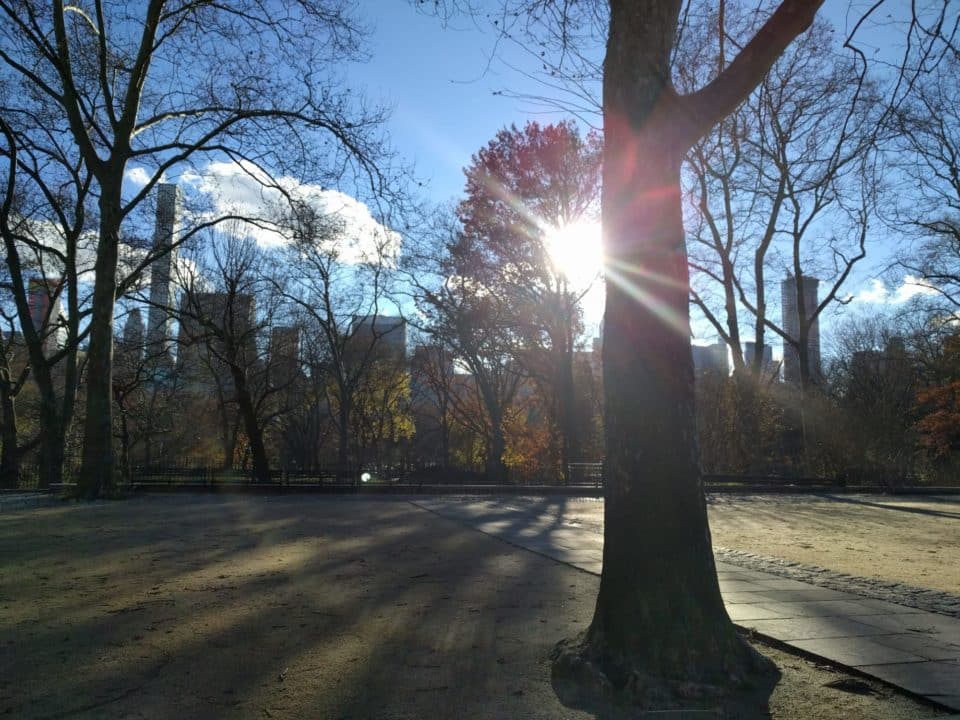
    • The weather clearing up in time to take a walk around Central Park.

    I’m heading home tomorrow evening.while I’ve enjoyed the trip it’s true what they say: there’s no place like home.

  • #WinterTrip 2016 Part 4

    #WinterTrip 2016 Part 4

    Contributor Day was pretty comfortable at the end of WordCamp US. I worked with the community team a bit, reminding myself of the many things that I want to work on. 

    When I get back home this is part of my list of projects that get more of my attention. It becomes hard to make time when being overly busy becomes an everyday occurrence. I have to make myself make time, and that’s what I’m going to do.

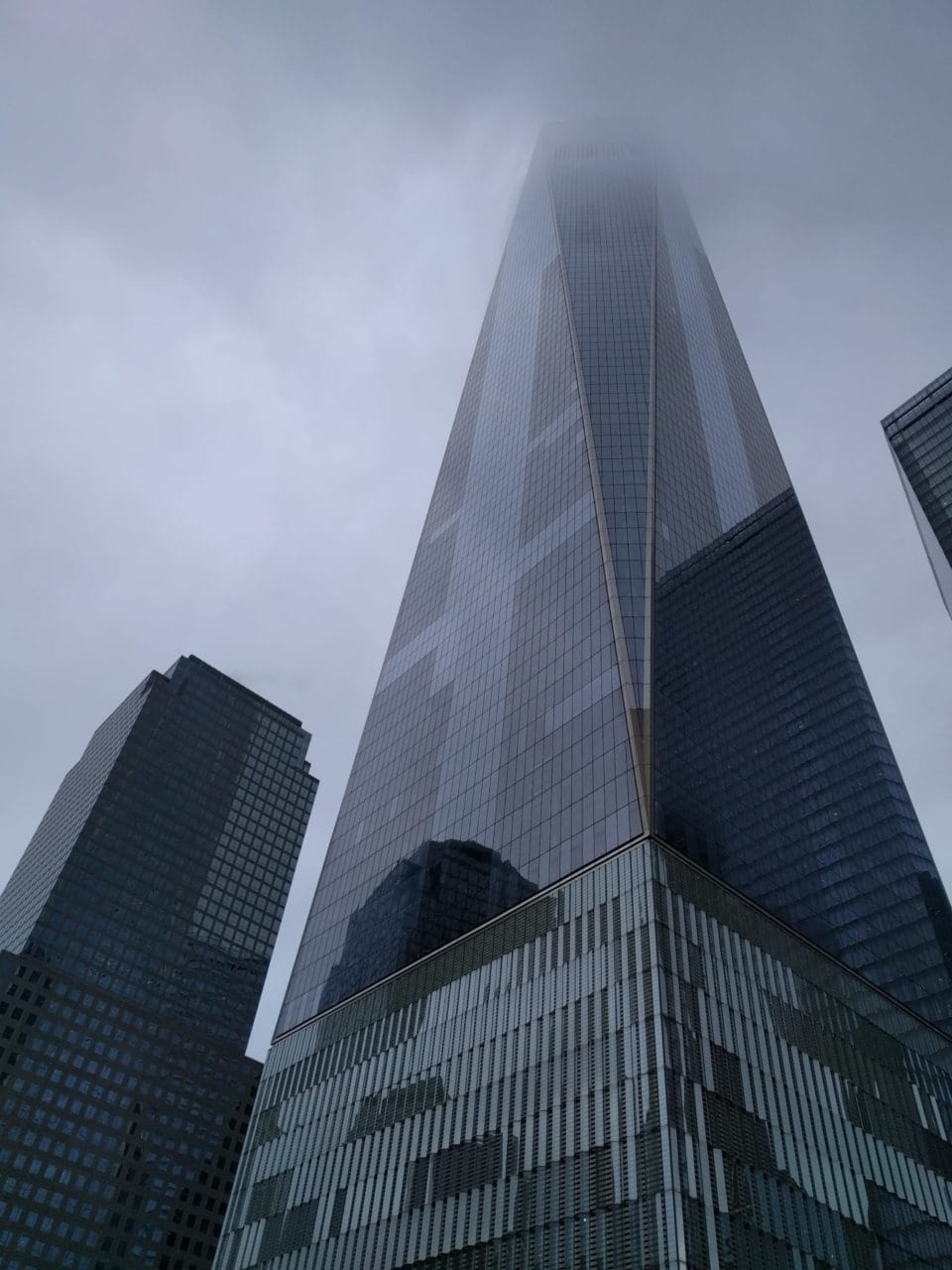
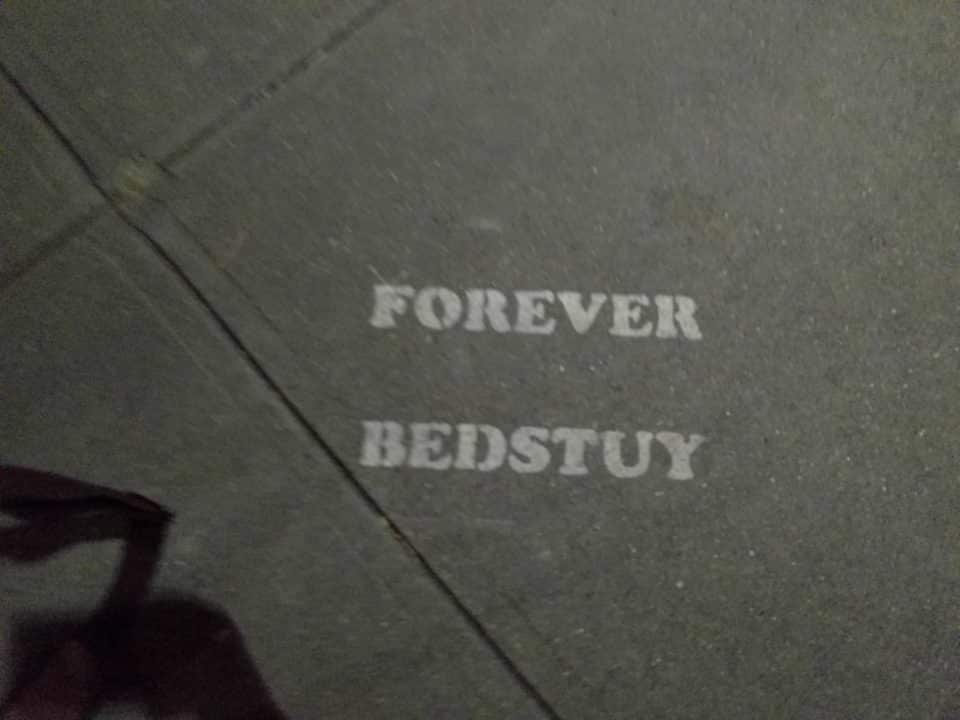
    This afternoon starts our trip to NYC, with a train ride into the city and a subway ride to BedStuy. Tomorrow is going to be pretty free form before future.today on Tuesday and Wednesday.

  • #WinterTrip 2016 Part 3

    #WinterTrip 2016 Part 3

    The second day of WordCamp US was just as strong as day one. Fairly often this isn’t the case, as attendance at the average camp falls off sharply. This speaks to the strength of the schedule, and the dedication of the attendees.

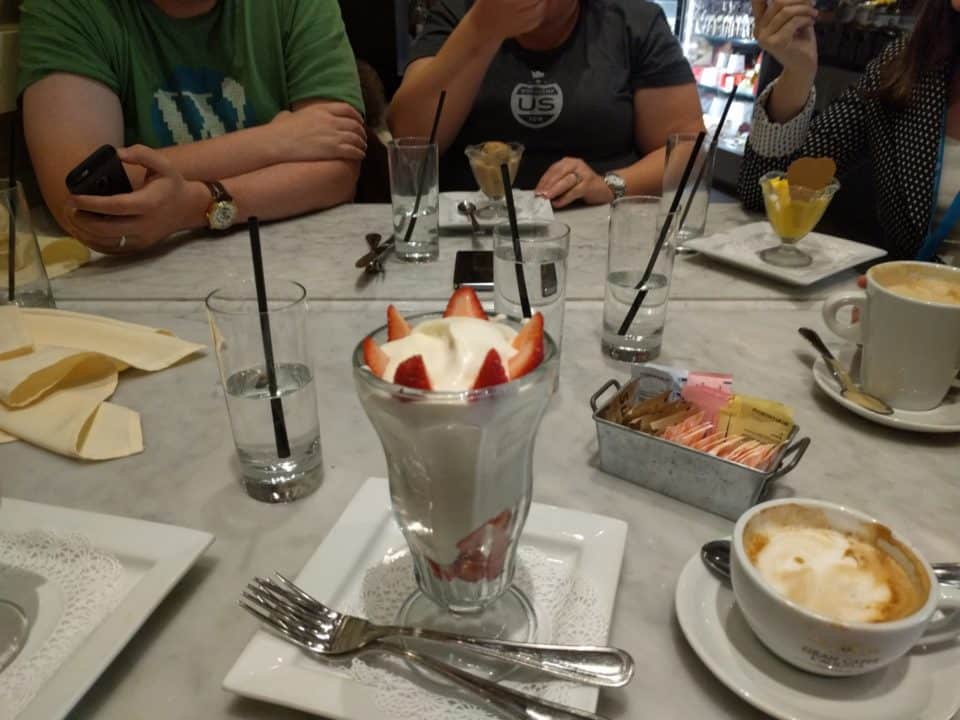
    The day started with pumpkin pancakes and bacon, ended with Italian small plates and gelato from an international award winning gelatier (which I think is a word).

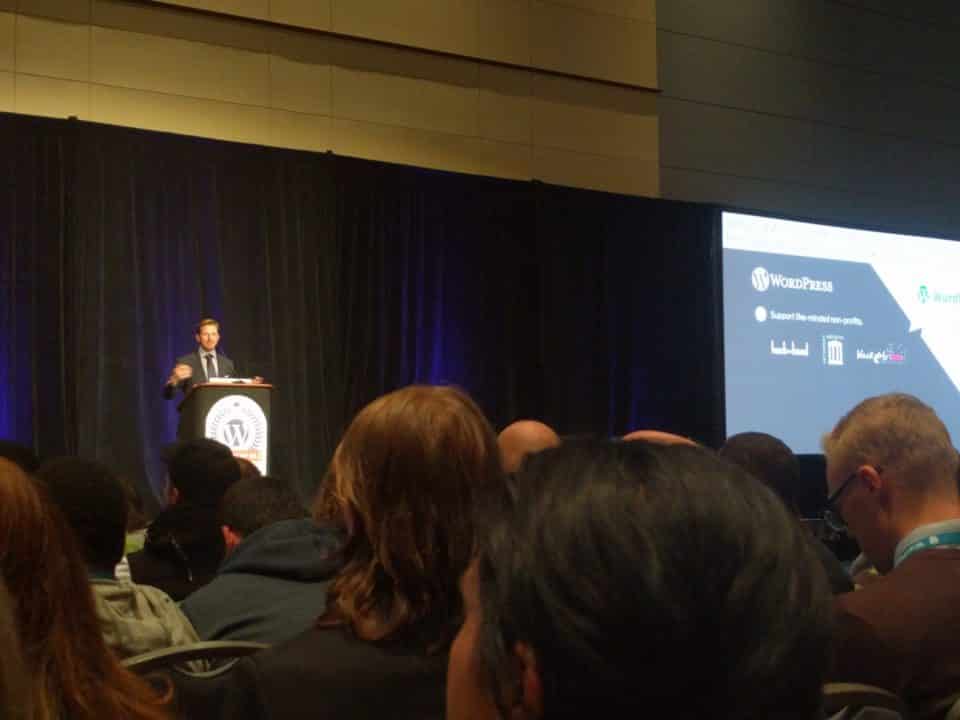
    Some of the great talks that I got to today included a discussion on the dark side of democratization with Dennis Hong and the ethics of software development with Nacin. The State of the Word was revealing as usual, with a celebration of the past year, a few special announcements (no more set release dates, focus on independent development of three key core components, a surprisingly candid reason for the separation of WordCamps from the WordPress foundation).

    Tomorrow is contributor day, which will be interesting to attempt without a laptop. At the very least I can take notes for a few projects. 

  • #WinterTrip 2016 Part 2

    #WinterTrip 2016 Part 2

    Two things that I’m not very comfortable with are doing heavy work from my phone and being in large parties. I’m trying to learn to deal with the first at least, starting with doing all of my travel posts without my laptop.

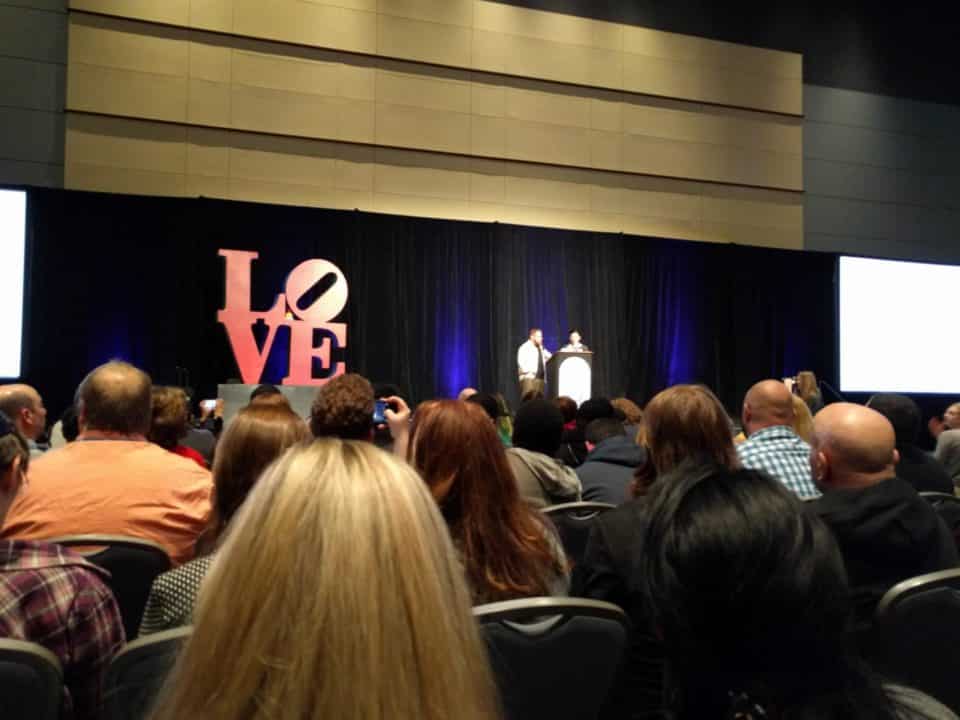
    The first day of WordCamp US was a standard blur of bumping into hundreds of friendly faces and having dozens of conversations. The number of people is at times overwhelming, but there are plenty of ways to take a quick breather. Overall it’s nice to have moments of connection, big or small, with people that I get to see once or twice per year, or have known only online and can finally put a name with a face.

    A few highlights from the day:

    • Walking in Center City and seeing dozens of other WordPress folks before even arriving at the venue
    • Seeing former Orlando folks like david Parsons and Zac Gordon and catching up with their lives
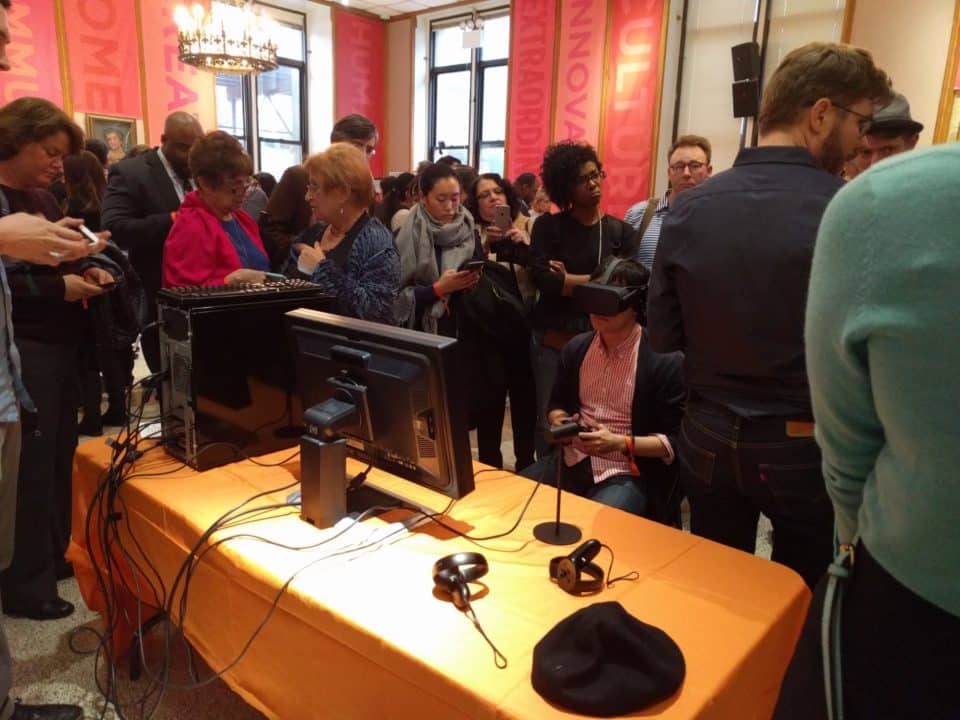
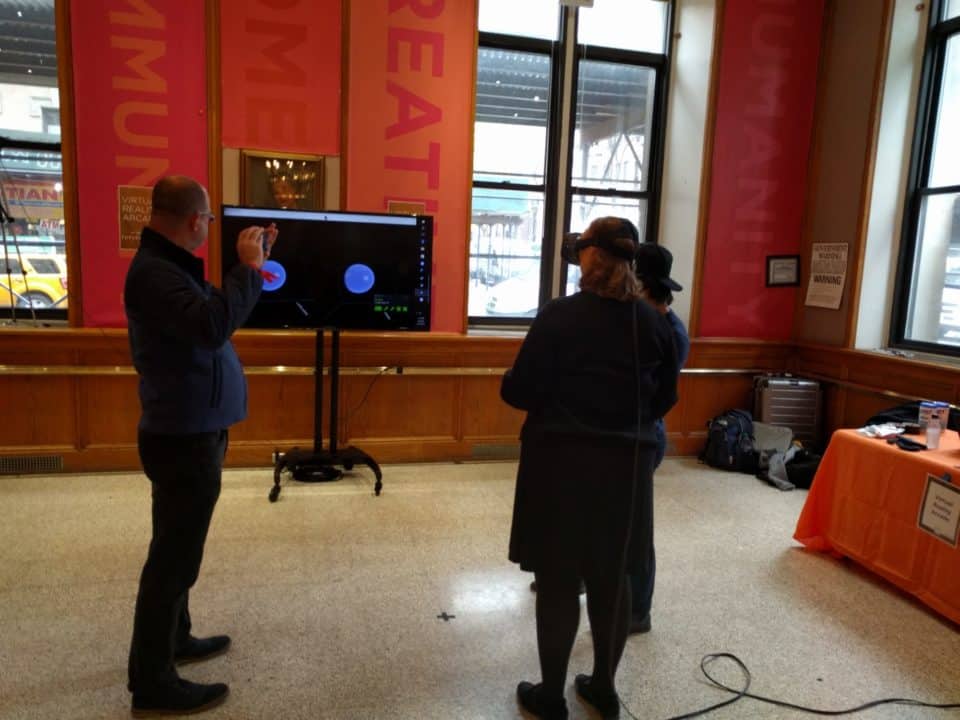
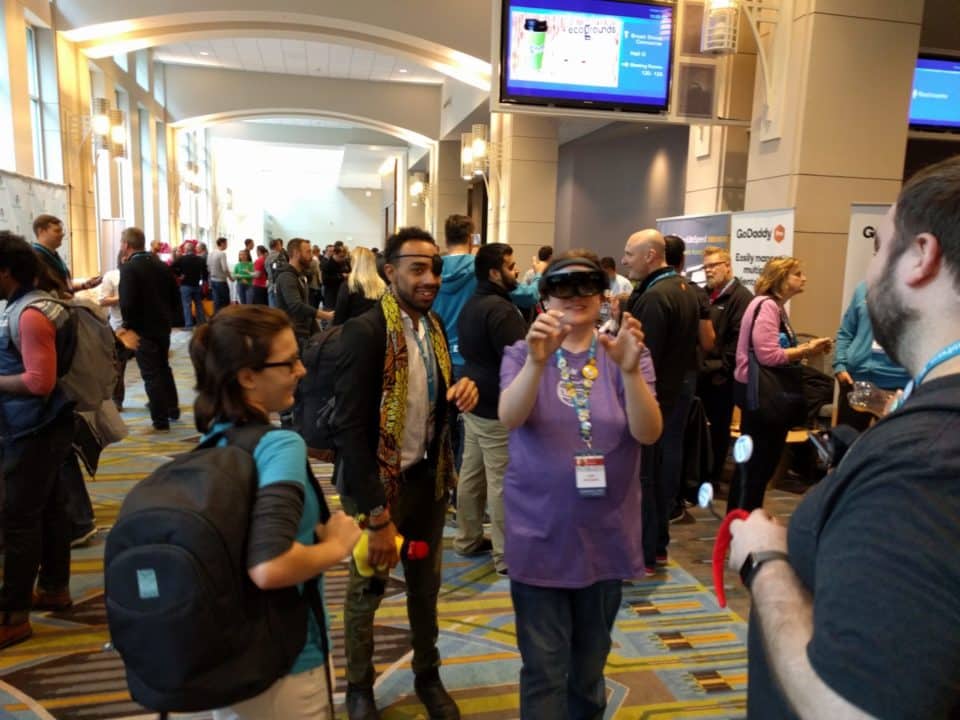
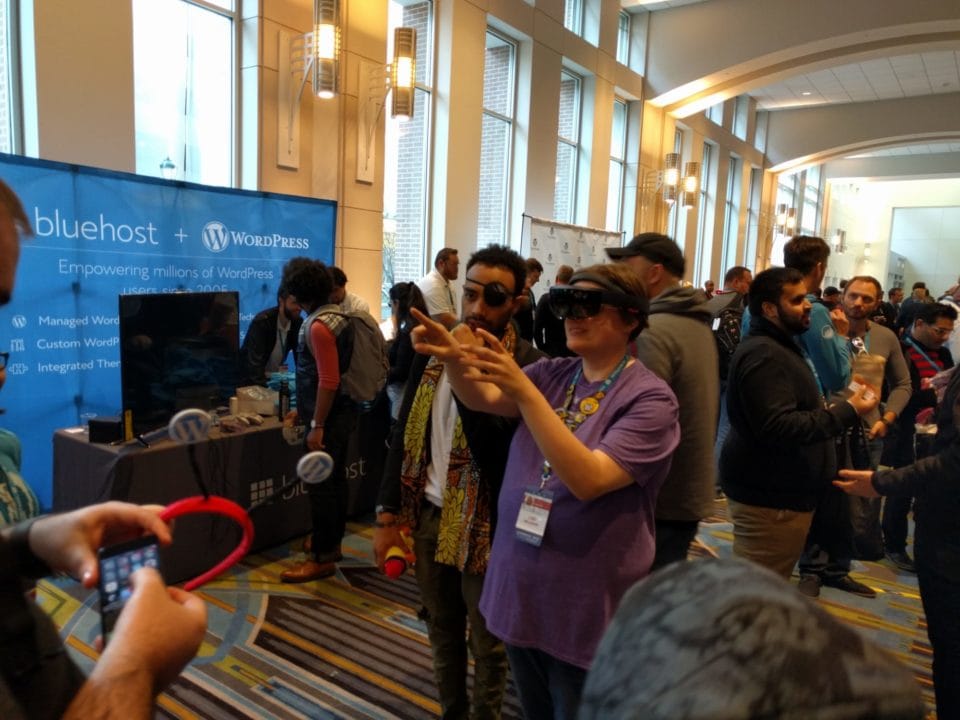
    • Trying out Holo Lens, and getting embarrassing pictures of Lisa trying it out
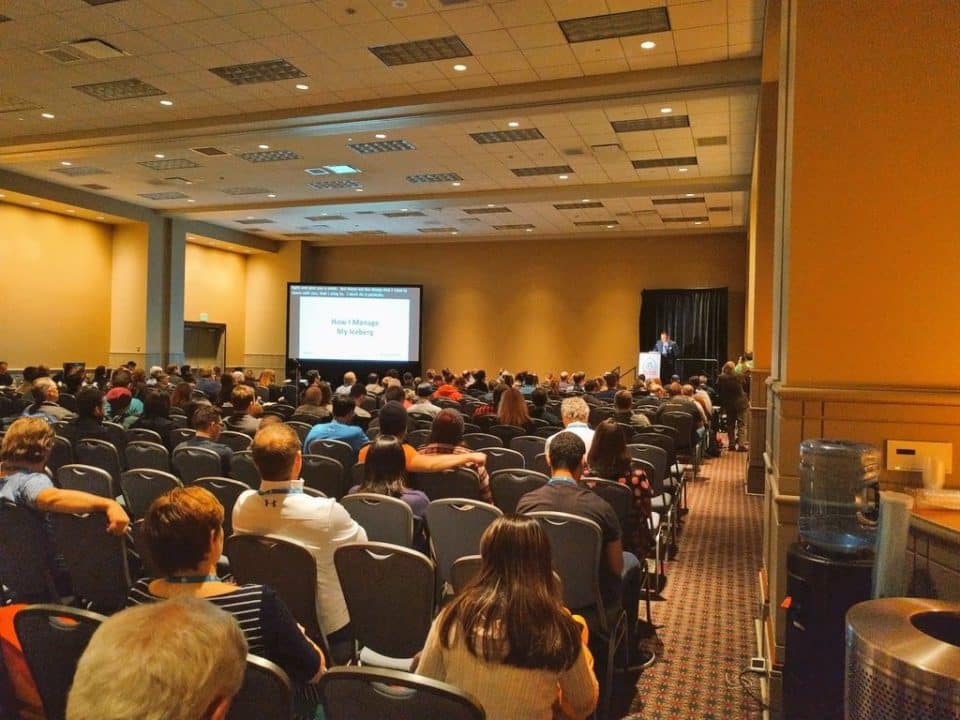
    • Hearing Cory Miller talk about the emotional iceberg of an entrepreneur and how to handle mental health around life and work
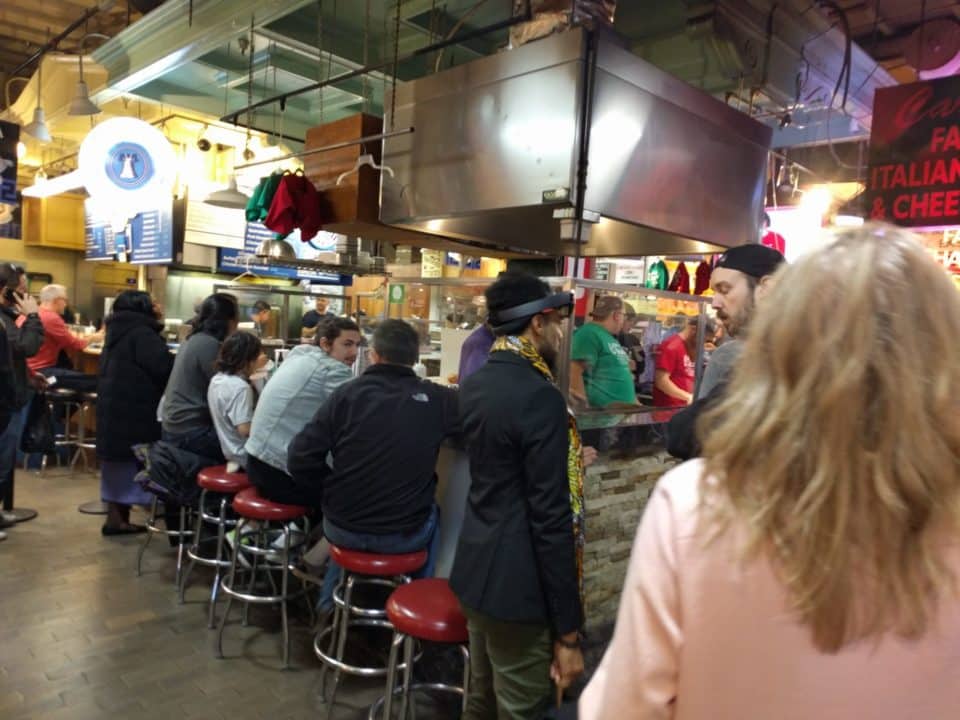
    • Going to Reading Terminal and walking the booths, plus getting a brisket sandwich on challah
    • Swag, so much swag
    • Taking a walk in the brisk cold to La Colombe and trying some coffee that half a dozen separate people suggested independently
    • Learning even more to keep my mind spinning from sponsors, speakers, and acquaintances throghout the hallway track

    I intend on taking tomorrow a bit easier and focusing on fewer, deeper conversations. It’s an amazing opportunity to be surrounded by talent on all sides and to be able to get business questions answered by people who have gone through the same things I am or am considering. 

    While I still plan on taking a break when I return, I’ve got things that can benefit from seeing what other people are doing and adjusting my work accordingly.

  • #WinterTrip 2016 Part 1

    #WinterTrip 2016 Part 1

    I’m trying something that is a little crazy for me. Ten days, two cities, zero laptop. I’m also trying to get back into blogging and I figure I’ll go the easy route: photo blogging!

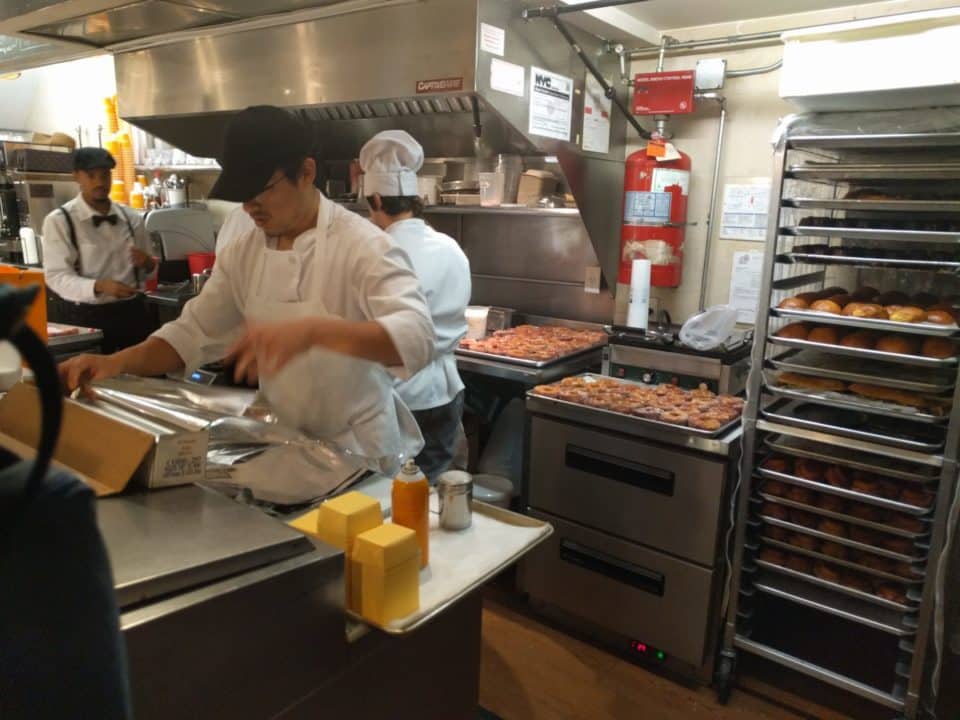
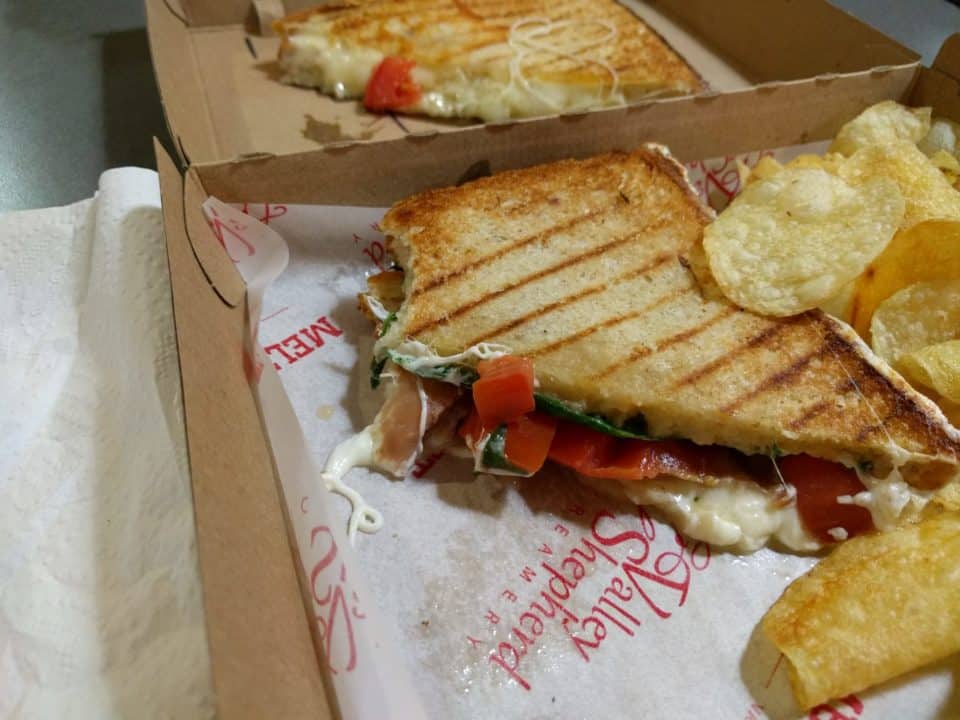
    This trip started out with a 6 am flight from Orlando to Philadelphia. We were surprisingly awake upon arrival, and headed a few blocks from our Airbnb to get breakfast/dessert crêpes, which were incredible. They also allowed us to be lazy the whole day and stay in from the rain, napping and reading to relax before a long weekend.

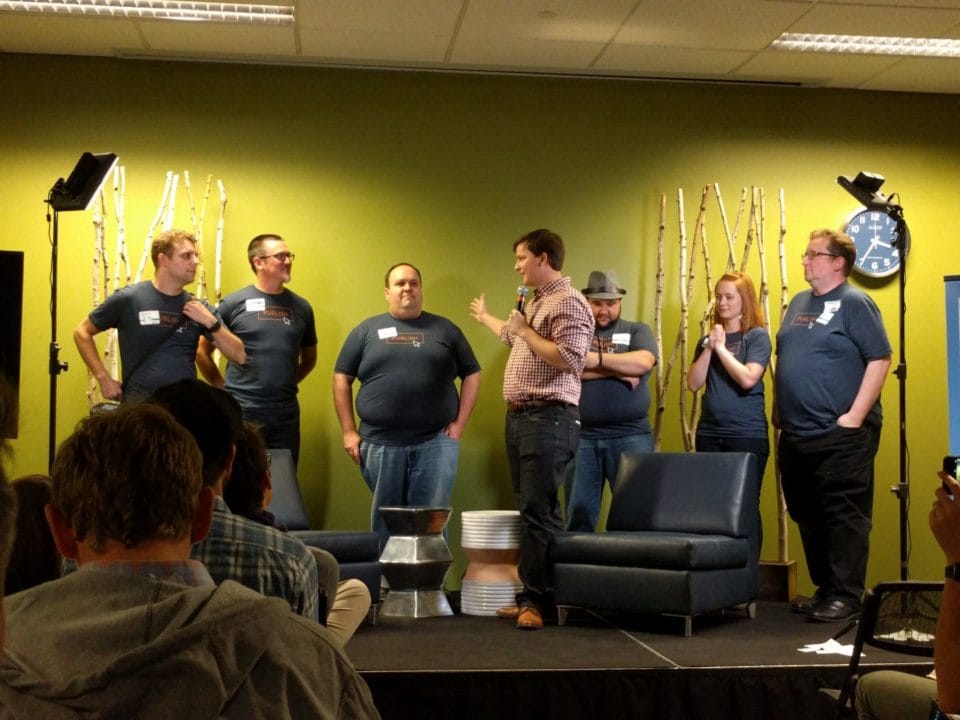
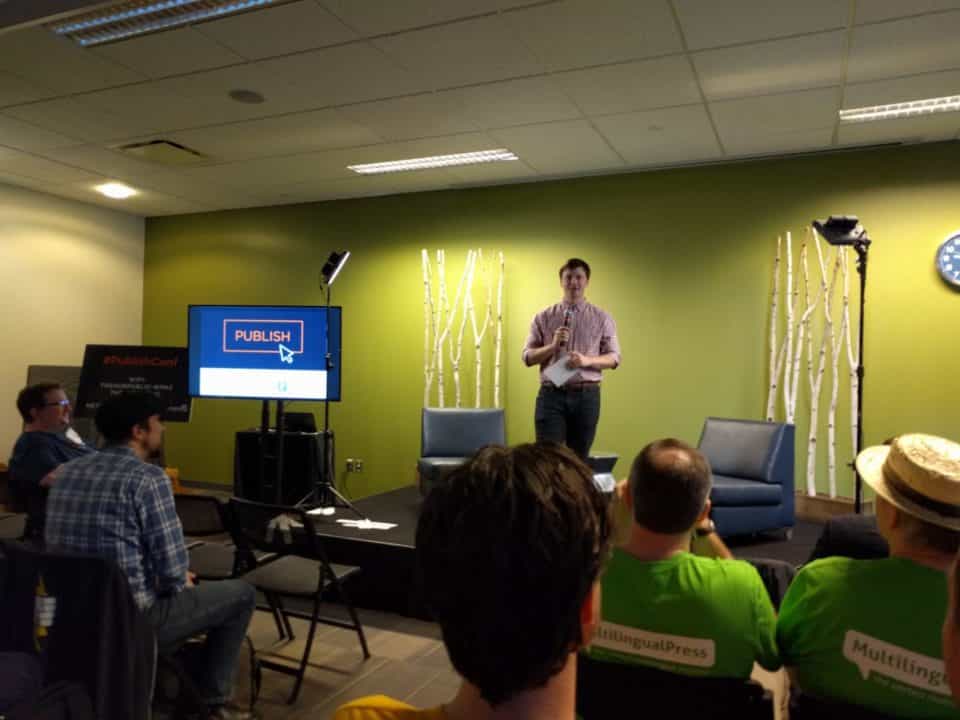
    Today was Post Status Publish, a side event capitalizing on the attendance of Post Status members in town for WordCamp US. It’s always great to catch up with folks that I don’t get to see too often, and to hear them share what they’re working on and their journeys over the past year.

    I took copious notes during the event, which I am ready to start implementing now, but will wait until I’m done with my soft reset from work and back home. Attending conferences and having conversations at them always puts my mind into overdrive. I always overestimate my ability to quickly get things done, ignore all of the talk of “focus on one thing at a time”, and plan for a dozen projects to set aside when I get back into the real world.

    Some of the highlights of the talks for me today:

    • Paul Sieminski talking about GPL and takedown notices at WordPress.com
    • Christina Warren on Gizmodo, the tech blogging industry, and WordPress’ place in it.
    • Bryce Adams showing off Metorik and talking about the dev process
    • Tina Kesova sharing how to authentically break into a community with your product
    • Tom Willmot and Scott Basgaard answering VIP agency questions

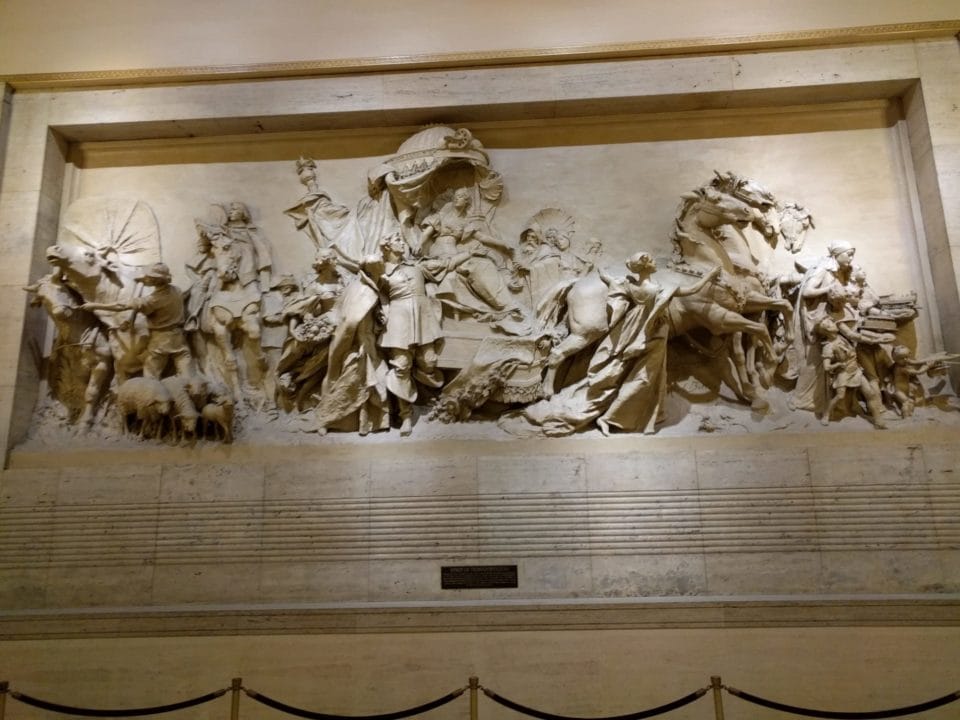
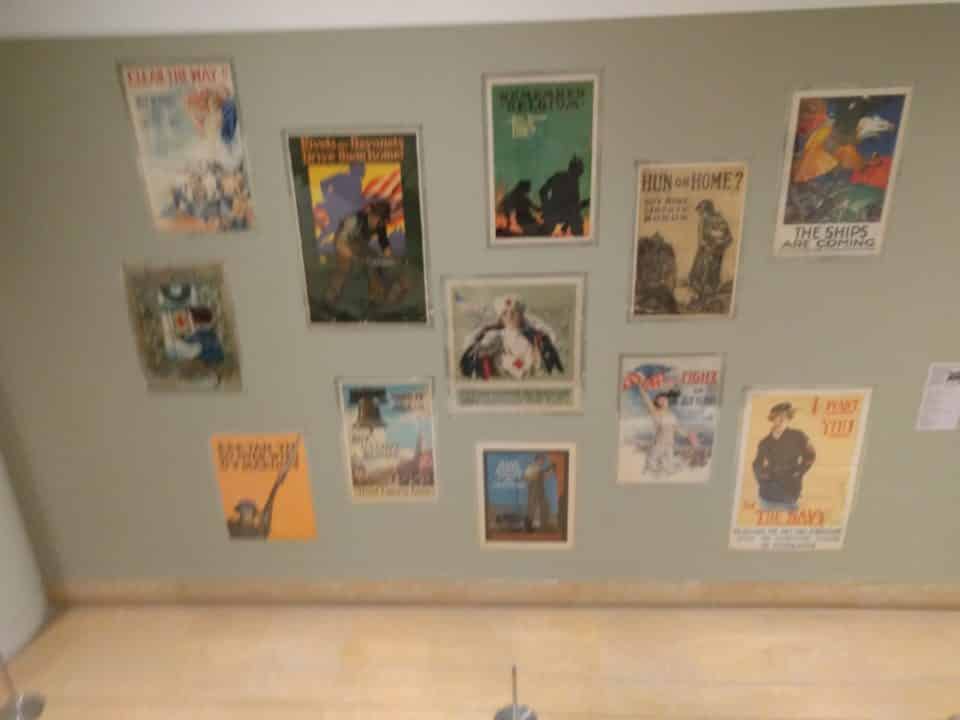
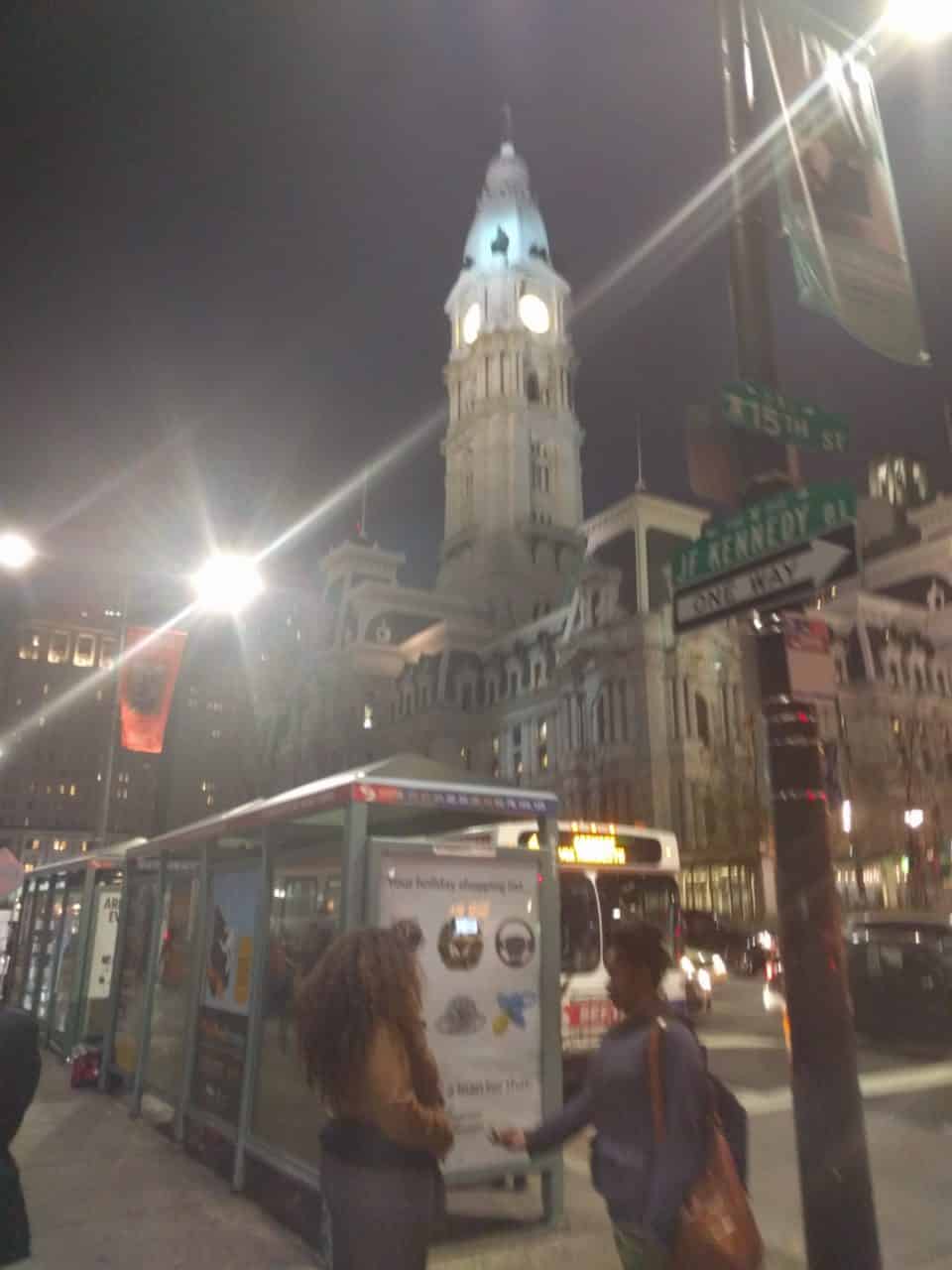
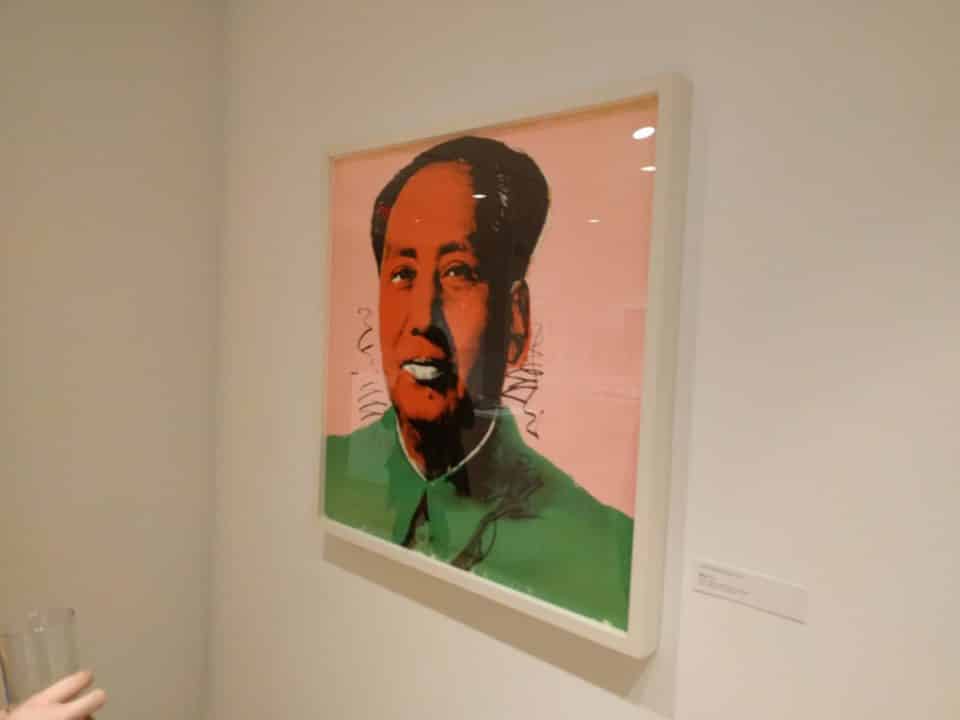
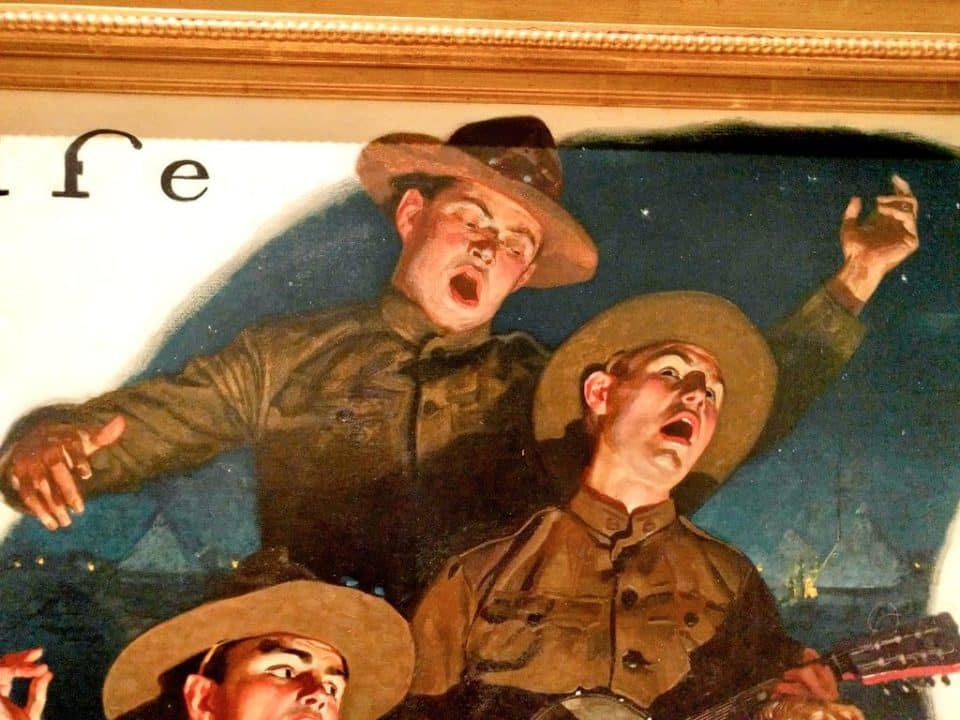
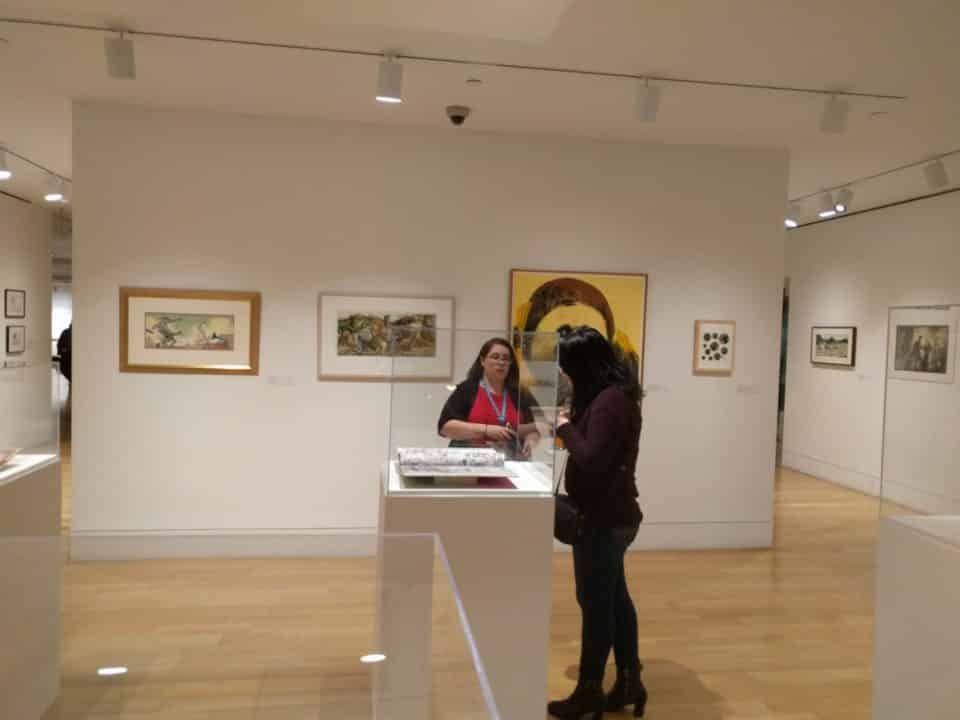
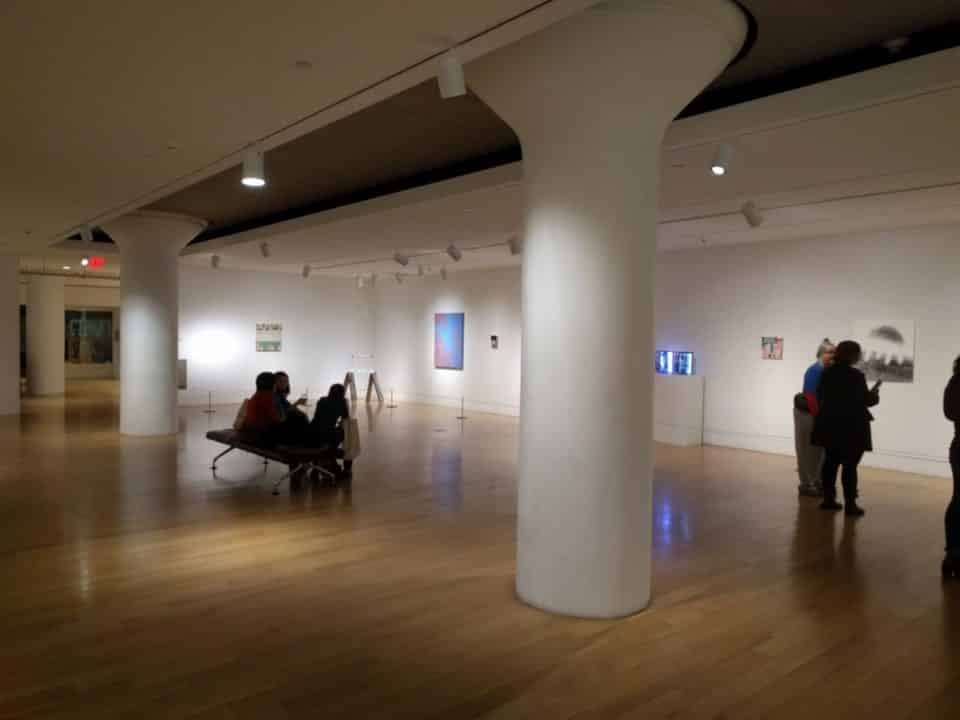
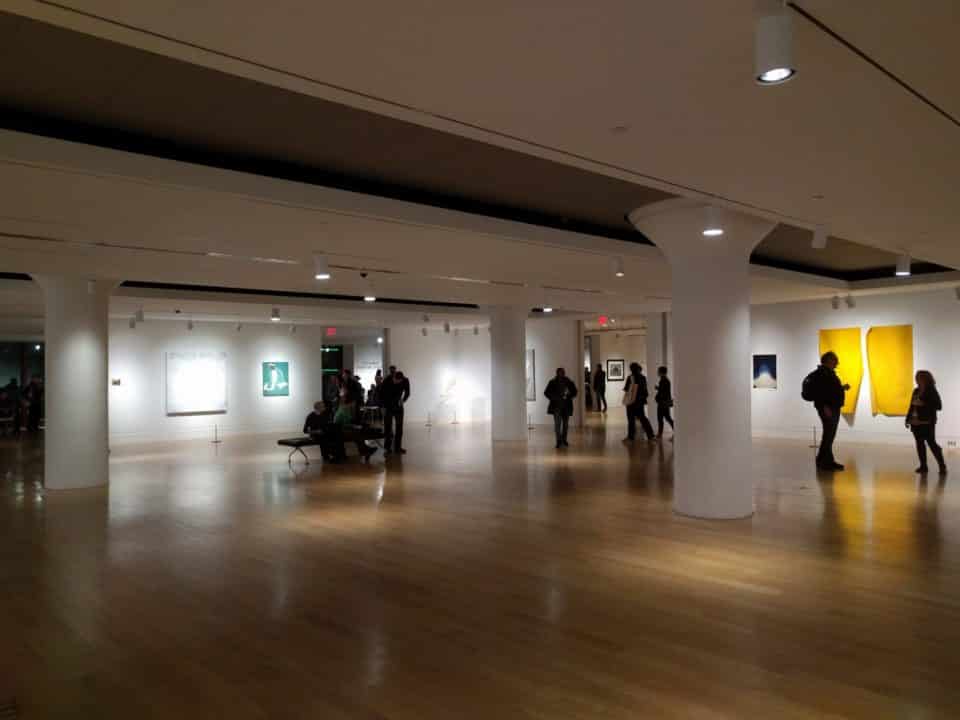
    From there I walked past city hall to the Volunteer Orientation. The party following was at an art museum, which was a great setting to check out sculptures, modern art, and WWII era works while spending more time with some pretty awesome folks.

    The first full day of camp is tomorrow, and I’m ready to rock it!

  • You Need To Encourage Others to Rise and Surpass You

    Last Week I saw a Humans of New York photo and caption that was shared and commented upon by NASA’s official Facebook account:

    https://twitter.com/laceynwilliams/status/736729582460510208

    The young girl expressed interest in building a rocket ship to explore space, and the NASA account commented that she’s the right age to be part of one of the first manned missions to Mars. I don’t know the future and can’t say whether this girl will ever go into a career related to space, or if the comment impacted her as much as many of the readers. I stand by the comment that I made on the story:

    If you are in a position to help and encourage others, it’s your duty to do so

    https://twitter.com/davidwolfpaw/status/736947745404125184

    Advantages Cannot Be Ignored

    It’s easy to forget when you have specific advantages because you can point to all of the advantages that you don’t have. I didn’t go to an ivy league school, my parents aren’t wealthy, I have never lived in a tech hub, and I never had anyone to tutor me. That hasn’t stopped me from becoming a self-employed web developer, able to teach myself WordPress related development and in turn teach others.

    There are advantages that I did have. My parents are tech savvy, and my father is an electrical engineer. We had a computer in my house for as long as I can remember, and an internet connection since before I turned six. We always had books, and my parents always had time to take me on regular trips to the bookstore and library. Both high schools that I went to offered programming courses, which I took every semester. I got a good scholarship to a great college and continued learning. I have just enough recklessness in me to consider self-employment a viable option, or at least a smart gamble.

    I am definitely not a great developer, but I know more than enough to get by, and am constantly learning. More important, I know more than many others, and I feel that it’s a responsibility to help them when they ask and when I can provide. In turn, I continue to learn from others. It’s probably an oxymoron to describe my own humility, but I have enough of it to know that there’s always more rungs on the ladder, above and below. I have skills that others desperately want to learn for themselves.

    Encourage Others

    One of the greatest things that you can do is encourage others. Tell them that they can do something, and truly mean it when you say it. The underdogs constantly defy expectations, as expectations are too easily built around assumptions. The resources exist, but the education and encouragement don’t always.

    This little girl may have the kindest, most supportive parents in the world. Still, how cool is it to say “I want to do this” and have someone who has achieved that actively encourage you? What if that’s the trigger that leads to a life of study, a life of exploration, and eventually a life among the stars?

    What if everyone encouraged those around them to succeed? What if we all taught our communities to strive for more? Seriously, how cool would that be?

  • Choose Kindness and Love Over Hate

    I was 13 years old in September of 2011. I lived on an army base at the time but went to a high school off-base with everyone my age from the neighboring towns. For a month or so after the attacks, what used to be a ten-minute commute coming home from school was a multi-hour affair as every vehicle was searched and inspected, starting the general closure of military bases in the country that continues to this day. The following month reduced that wait to 60-90 minutes as a more refined system was put into place, and finally that ten-minute journey settled into a thirty minute one for the remainder of my time there. Fear seeped into the bedrock of a community that had previously been impermeable.

    I had several family members who lived in NYC, and as a city that has over 1/40th of the population of the USA in it, that’s something that a large portion of the country could say. Several hundred people were in Pulse on Saturday night in Orlando. So far none of my direct acquaintances have shown up on the expanding list of casualties that I can sickeningly refresh throughout the day. All of those people were part of the community, and like the attack that affected our whole country, the networks that have been irrevocably altered this weekend affect the entirety of Orlando.

    I think that it’s an easier call to action to say that I’d like less focus on the use of this tragedy as a way to feel good about ideals, and to actually do good. I really don’t care about frivolous arguments about vernacular and smug satisfaction. Too often I see directed calls, such as the call for blood donations yesterday, as a way to salve guilt over perceived transgressions of community.

    Blood donations are always needed, without any specific catalyst to warrant them. Blood supplies in the country are always lower than needed, and there are always good reasons to donate. In this argument, I’ll ignore the large percentage of my community that cannot donate blood for a variety of reasons, most notably the terrible irony of being unable to donate by being an active homosexual, like many of the people killed.

    Can you not donate blood for some reason? Do you not live in Orlando and cannot directly volunteer here? That’s ok. Your own community needs just as much assistance as mine does, maybe in different ways right now but for the same goal of providing meaning and support for your neighbors. The beautiful thing is that our globalized community makes all of the world your neighbors, and kindness is outrageously contagious.

    The multiple communities that intersect in my life are loving and caring, with a focus placed on service to others and not just to self. Choose to do something for another today, not because you feel a social obligation but because you feel that every act of kindness compounds and outweighs heinous acts. One act of violence causes an instance of heartbreak. One act of kindness sets off a chain reaction of continued kindness.

  • ‘Waking Sleeping Beauty’ and the Destruction and Creation of Creative Works

    ‘Waking Sleeping Beauty’ and the Destruction and Creation of Creative Works

    One of the first films that I can remember seeing at the Enzian was the documentary ‘Waking Sleeping Beauty’. One of the coolest things at the start of the movie was the cameraman walking down the halls of the Disney Animation Studio offices in the early 80’s, listing off animators as he walked by, names that would go on to be well known in the following decades. At the end of the tour someone asks the guy behind the camera who he is, and he introduces himself as another of the green animators, John Lasseter.

    Mr. Lasseter has become one of the most successful filmmakers of all time, and an inspiration to all who want to follow the advice of following their passion. In a SCAD Commencement Address delivered last year, he reiterated one of those aphorisms that has become a mantra around lifestyle developers: “Choose something that you love to do and you will never work a day in your life.”

    The man who hired John Lasseter, Pixar co-founder Ed Catmull, has a book of his own: Creativity, Inc. I’ll echo the sentiments shared with me before I took it in: this is one of the best business books that isn’t actually a business book ever written. Couched in a memoir of a man who had a passion for 3D graphics before most computers had 2D graphics is a set of maxims for leadership principles. The anecdotes shared, such as the circuitous path of employment made by John Lasseter, make it highly entertaining as well.

    The past few years have brought some of their most creatively and financially successful films, not even counting the sister studio over at Pixar. From the powerhouse ‘Frozen’ which catapulted to the fifth highest grossing film ever at the time of it’s release to one of my personal favorites, ‘Big Hero 6’, and so far the best movie I’ve seen this year, ‘Zootopia’, Disney still has the magic, and doesn’t look to be losing it anytime soon.


    What I’m saying in this long preamble is that the constellation of Disney animation has been on my mind a lot lately. The first Disney movie that I remember seeing in the theater was ‘The Lion King’, though I believe we went to ‘The Little Mermaid’ as well. Both, along with ‘Beauty and the Beast’ are considered a return to form for the company that defined the animated feature film, and brought it back from the brink of destruction. What I never realized was how close that destruction was for a time, and ‘Waking Sleeping Beauty’ paints a stark picture in contrast of creative output versus internal strife.

    A recurring theme that ended up becoming an issue was the fact that the old guard of original animators was retiring at the same time as a new crop was getting started. There was very much an atmosphere of “What Would Walt Have Done”, in which new directions were taken haltingly or avoided altogether out of fear of breaking the model that was already beginning to fall apart. It took longer than probably necessary to learn the lesson not to cling to what used to work as the world changed around them.

    Despite that, there was a level of perfection and craft that all animators aimed to maintain. One scene has an animator showing off a stack of accepted panel sketches, followed by a much larger stack of panels that were headed straight for the trashcan. Similarly, the first twenty minutes of ‘Beauty and the Beast’ were completely trashed after completion, as testing with audiences, producers, and the rest of the story revealed that it simply did not work. It’s a testament to the focus that was put on turning the studio around that they felt comfortable enough to have spent so much time and money that could be essentially wasted.

    The film covers 1984-1994, the decade that encompassed some of Disney Animation Studio’s biggest failures at the start, and highest successes at the end. Nobody had faith in ‘Lion King’ while the team was working on it, with more focus being put into ‘Beauty and the Beast’ and other projects. Even as the film was prepping for release, there as fighting just to get the proper promotional budget for what ended up being one of the highest grossing movies of all time and one of the films that saved the animation studio from completely going under.

    If you are concerned with the art of commerce and the commerce of art, check out both this documentary and Ed Catmull’s superb book. The Disney company has been an innovator in both fields for nearing a century. They do plenty that I don’t agree with and would not find very innovative or progressive (copyright extensions anyone?), but the creators at the company are passionate about their work. If more of us were that dedicated to, I’d wager that we’d be in a much better place.

🌙 ☀️